Everyday pain can affect far more than physical comfort. A stiff neck may make working at a computer difficult, recurring back discomfort can interfere with household chores, and headaches may disrupt concentration throughout the day. When these problems become frequent, even simple activities can start to feel demanding. Understanding the possible causes of discomfort and the available care options can help you decide how to manage your symptoms.
Chiropractic care is one approach people consider for certain musculoskeletal concerns, particularly those involving the spine, joints, and surrounding muscles. However, the right approach depends on the nature of the symptoms, their underlying cause, and the individual’s overall health.
This guide explores common reasons people seek chiropractic care, what an evaluation involves, which treatment approaches may be considered, and when additional medical attention is necessary.
Understanding Chiropractic Care
Chiropractic care focuses on assessing and managing certain musculoskeletal conditions, including problems affecting the spine, joints, and surrounding soft tissues. Chiropractors may use hands-on techniques, movement assessments, and other approaches depending on their training, the patient’s condition, and the available evidence.
One commonly discussed technique is spinal manipulation, which involves applying controlled force to a joint. Other approaches may include gentler joint mobilization, soft-tissue techniques, and recommendations for suitable physical activity.
The purpose of treatment is not simply to address a painful area. A thorough assessment considers how symptoms affect daily activities, whether movement is restricted, and whether there are signs of an underlying condition requiring a different type of care.
People searching for a chiropractor near them may encounter a wide range of treatment claims online. It is important to distinguish between approaches supported by evidence for particular conditions and claims that promise to correct every spinal problem. Chiropractic care can help some people, but it is not appropriate for every diagnosis.
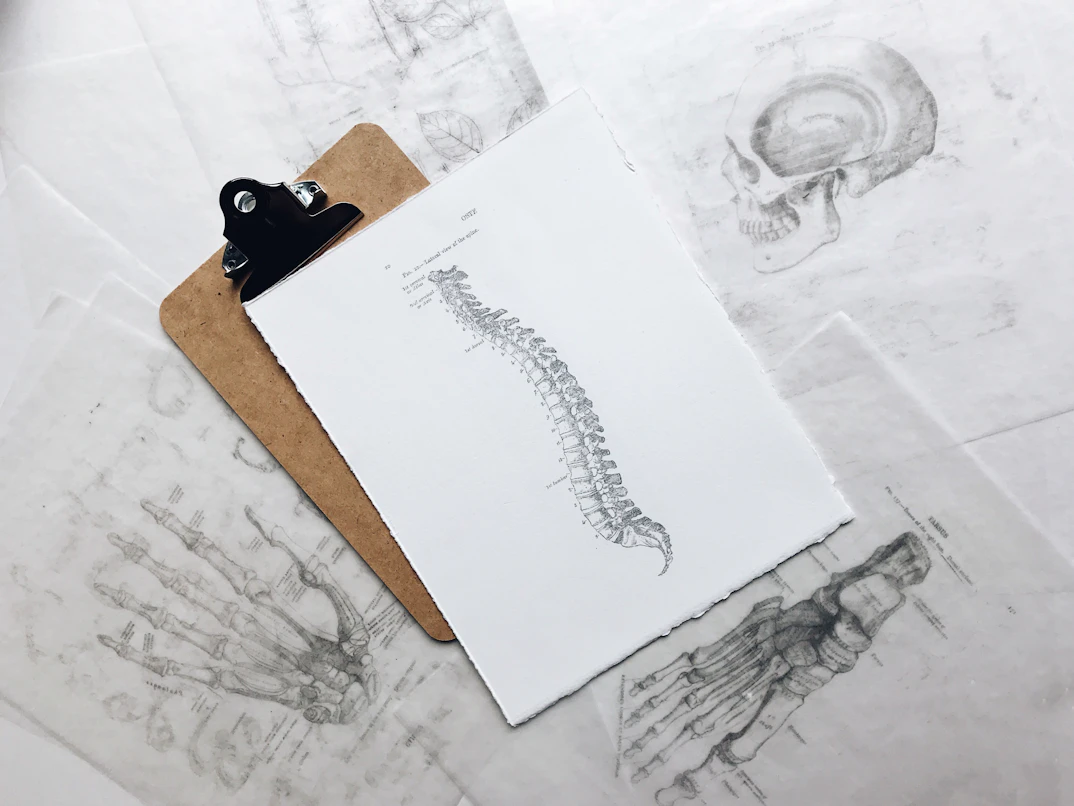
Chiropractic Care for Back Pain
Back pain is one of the most common reasons people explore chiropractic care. Discomfort may develop after lifting something heavy, sitting for extended periods, performing repetitive movements, or increasing physical activity too quickly. In other cases, the cause may be less obvious.
The lower back supports the upper body and contributes to bending, twisting, standing, and walking. When discomfort develops in this area, everyday tasks such as getting dressed, carrying groceries, or sitting through a meeting can become uncomfortable.
Common Causes of Back Discomfort
Several factors can contribute to back pain, including muscle strain, reduced physical conditioning, certain joint problems, and disc-related conditions. Sometimes, pain occurs without a clearly identifiable structural cause.
A chiropractor may ask when the pain began, whether it travels into the legs, which movements aggravate it, and whether it affects sleep or daily activities. A physical examination can help determine whether conservative musculoskeletal care may be appropriate.
For people exploring back pain care options, an individualized assessment is more useful than choosing treatment based on symptoms alone.
How Chiropractic Treatment May Help
For some people with uncomplicated lower back pain, spinal manipulation may provide modest improvements in pain or function. Depending on the findings, care may also involve movement advice, appropriate exercises, and strategies for gradually returning to normal activities.
Treatment should be adjusted to the patient’s response. If symptoms worsen, fail to improve, or suggest a more serious condition, further evaluation may be needed.

Managing Neck Pain and Stiffness
Neck discomfort can develop gradually or appear after an awkward movement, prolonged screen use, or an unfamiliar physical activity. Some people experience stiffness when turning their heads, while others notice soreness around the shoulders or upper back.
The neck supports the head while allowing it to move in several directions. Extended periods of looking down at a phone or working with a poorly positioned monitor may contribute to muscle fatigue and discomfort, although these habits are not necessarily the sole cause of symptoms.
Recognizing Common Neck Problems
Neck pain may involve muscle tension, restricted movement, joint irritation, or problems affecting the cervical discs. Symptoms vary from mild stiffness to pain that interferes with driving, working, or sleeping.
During an evaluation, a chiropractor may assess neck movement, relevant muscle function, and neurological signs when indicated. The assessment helps determine whether chiropractic treatment is suitable or whether another healthcare professional should be involved.
People researching neck pain treatment options should discuss their symptoms and medical history with a qualified provider before deciding on a technique.
Choosing Appropriate Treatment
Depending on the diagnosis, conservative management may include gentle mobilization, appropriate exercises, activity adjustments, or other methods aimed at improving comfort and movement.
Spinal manipulation involving the neck requires particular care because rare but serious complications have been reported. Patients should be informed about the potential benefits, risks, and alternatives before proceeding. People with certain medical conditions or neurological symptoms may need a different approach.

Chiropractic Care and Headaches
Headaches can affect concentration, productivity, sleep, and quality of life. Although many people associate headaches with stress or muscle tension, they can arise from several different causes. Identifying the headache type is important before choosing a treatment.
Understanding Different Headache Patterns
Tension-type headaches often involve pressure or a tightening sensation around the head. Some people also experience tenderness in the neck and shoulder muscles.
Cervicogenic headaches originate from a problem in the neck and may be accompanied by restricted neck movement. Migraines, however, are a distinct neurological condition that can involve throbbing pain, nausea, and sensitivity to light or sound.
These conditions should not be treated as interchangeable. A headache that occurs alongside neck discomfort does not automatically mean that the neck is responsible.
When Manual Therapy May Be Considered
For certain patients with tension-type or cervicogenic headaches, selected manual therapies and exercises may offer some relief. The evidence varies by headache type, and chiropractic treatment is not an established cure for all headaches.
A healthcare professional should consider the headache’s frequency, severity, associated symptoms, and medical history before recommending treatment. New, sudden, unusually severe headaches or headaches accompanied by neurological changes, fever with a stiff neck, or confusion require urgent medical assessment.

Sciatic Symptoms and Pain Traveling Into the Leg
Sciatica describes symptoms associated with irritation or compression of the sciatic nerve or its contributing nerve roots. People may experience pain that travels from the lower back or buttock into one leg. Tingling, numbness, or weakness can also occur.
The discomfort may feel sharp, burning, or electric. Some people notice that prolonged sitting, coughing, or certain movements aggravate their symptoms.
What Can Cause Sciatic Pain?
One possible cause is a herniated disc that irritates a nearby nerve root. Other conditions, including narrowing around the spinal nerves, may also produce similar symptoms.
The location of the pain alone cannot establish the diagnosis. A proper assessment considers the pattern of symptoms, muscle strength, sensation, reflexes, and other relevant findings.
Treatment Considerations for Sciatica
Management depends on the cause and severity of the symptoms. Some cases improve with time, appropriate activity, and conservative treatment. A healthcare professional may recommend suitable exercises, movement modifications, medication through an appropriate prescriber, or other options depending on the individual’s needs.
Chiropractic treatment may be considered in selected cases, but it should not be assumed to resolve nerve compression or repair a damaged disc.
People experiencing leg pain alongside progressive weakness or significant neurological symptoms require prompt medical evaluation. New bladder or bowel control problems, numbness around the groin, or rapidly developing weakness can indicate a medical emergency.

Understanding Disc Bulges and Spinal Disc Problems
Spinal discs sit between the vertebrae and help distribute loads while allowing the spine to move. Changes to these discs can occur with age, physical demands, or injury. Imaging may reveal a disc bulge even in someone who has no pain.
This distinction matters because an imaging finding does not necessarily explain a person’s symptoms.
How Are Disc Problems Evaluated?
A healthcare professional may consider where the pain occurs, whether symptoms travel into an arm or leg, and whether there are changes in strength, sensation, or reflexes. Imaging may be appropriate in certain circumstances, particularly when serious pathology is suspected or the results would influence treatment decisions.
Not every person with back pain needs an X-ray or MRI. Testing should be guided by clinical findings rather than ordered automatically.
Is Chiropractic Care Appropriate for a Disc Bulge?
The answer depends on the individual’s symptoms, examination results, and overall health. Some people may benefit from carefully selected conservative care, while others require a different treatment plan or specialist assessment.
Forceful techniques may be inappropriate in certain conditions. A provider should explain the reasoning behind any proposed treatment and consider alternatives when the potential risks outweigh the likely benefits.
If you are looking into disc bulge treatment options, seek guidance that takes your symptoms and clinical findings into account rather than relying on an imaging report alone.

Shoulder Discomfort and Upper Back Tension
The shoulders, upper back, and neck work together during reaching, lifting, carrying, and many repetitive activities. Discomfort in one area can sometimes affect how comfortably a person moves the others.
Extended computer use, repetitive overhead work, and unfamiliar exercise routines may contribute to muscular soreness. However, shoulder pain can also arise from rotator cuff problems, joint conditions, injuries, or other causes that need specific assessment.
A chiropractor may evaluate relevant spinal movement and surrounding muscles when the symptoms suggest a musculoskeletal issue within their scope of practice. Treatment might involve suitable manual techniques, movement advice, or exercises.
Not all shoulder problems originate in the spine. Persistent pain, substantial weakness, significant swelling, or an inability to move the arm normally warrants medical evaluation. Chest discomfort accompanied by shoulder pain, breathlessness, sweating, or other possible cardiac symptoms requires emergency attention.
Improving Joint Mobility and Everyday Movement
Mobility limitations can make routine activities feel more difficult. Turning to check traffic, bending to put on shoes, reaching for objects on a shelf, or getting up from a chair may become uncomfortable when joints feel stiff.
Reduced mobility can be associated with several factors, including muscle tightness, previous injuries, osteoarthritis, and periods of inactivity. The appropriate response depends on what is restricting movement.
A physical evaluation may examine which movements are limited, whether pain occurs at a particular point, and whether the restriction involves muscles, joints, or other structures.
For some musculoskeletal conditions, gentle mobilization or appropriate exercise may help improve function. Strengthening and mobility work can also support everyday activities when selected according to the patient’s abilities.

How Daily Activities Can Contribute to Pain
Many people notice discomfort during specific activities rather than experiencing constant pain. A desk worker may feel stiff after a long meeting, a driver may develop lower back soreness during a road trip, and someone doing yard work may notice discomfort after repeated bending.
These patterns can provide useful clues, but they do not establish a diagnosis on their own.
Simple adjustments may help reduce unnecessary physical strain and support comfortable movement.
- Change positions regularly instead of sitting continuously for hours.
- Adjust your workstation so your screen and frequently used items are comfortably positioned.
- Increase exercise intensity gradually rather than making sudden changes to your routine.
- Keep objects close to your body when lifting and avoid twisting while carrying heavy loads.
- Alternate demanding tasks with lighter activities and allow time for recovery.
These adjustments may reduce unnecessary strain, but they should not replace assessment when pain persists or interferes with normal function.
For people exploring chiropractic treatment options, discussing everyday activities during the initial appointment can help the provider understand when symptoms occur and whether additional guidance may be useful.
Explore Your Chiropractic Care Options at Shelby County Chiropractic
At Shelby County Chiropractic, Dr. James Stapleton, DC, provides chiropractic care for patients experiencing concerns involving back pain, neck pain, headaches, and related musculoskeletal discomfort. If you are searching for a chiropractor in Shelbyville, KY, you can consult with us about your musculoskeletal concerns. Shelby County Chiropractic offers an opportunity to discuss your symptoms and potential next steps.
Contact Shelby County Chiropractic today to schedule an appointment with Dr. James Stapleton, DC, and discuss your care options.
Frequently Asked Questions
What conditions can chiropractic care help with?
Chiropractic care may help some people manage certain musculoskeletal conditions, particularly uncomplicated lower back pain. Depending on the diagnosis, selected manual therapies may also help some patients with neck pain or particular headache types. Effectiveness varies, and chiropractic care is not appropriate for every condition.
How do I know if I should visit a chiropractor?
Consider seeking an evaluation if musculoskeletal discomfort persists, recurs, or interferes with everyday activities. A chiropractor can assess whether your symptoms fall within their scope of practice. Severe or unexplained symptoms, significant injuries, or neurological changes may require medical assessment instead.
Does a chiropractic adjustment hurt?
Experiences vary depending on the technique and the condition being treated. Some people notice temporary soreness or stiffness after an adjustment. Tell the chiropractor about your comfort level, previous treatment experiences, and any concerns before proceeding. You can ask about gentler alternatives or decline a technique.
How many chiropractic appointments will I need?
There is no universal appointment schedule. The appropriate frequency and duration depend on the diagnosis, symptom severity, response to treatment, and individual goals. Your provider should explain the proposed plan and reassess whether continued care is helping.
Can chiropractic care help with a disc bulge?
It may be considered in selected cases, but suitability depends on the symptoms, examination findings, and any associated nerve involvement. A disc bulge does not automatically require treatment, and some cases need medical or specialist assessment.
Is chiropractic care safe for everyone?
No treatment is suitable for everyone. Spinal manipulation can cause temporary soreness, and rare serious complications have been reported, particularly with certain techniques. Medical history, existing conditions, and neurological symptoms should be considered before treatment.