

The Hidden Connection Between Hip Tightness and Persistent Low Back Pain in Active Adults
You stretch your hamstrings, ice your low back, and still wake up stiff the next morning. If that cycle sounds familiar, the real problem might not be your back at all. Hip tightness is one of the most overlooked causes of persistent low back pain in active adults, quietly pulling on the pelvis and spine every time you sit, run, or lift. For anyone who’s already tried a dozen back stretches with little to show for it, working with a chiropractor in Shelbyville who looks at the whole kinetic chain, hips included, is often the missing piece.
Why Hip Tightness Often Hides Behind Low Back Pain
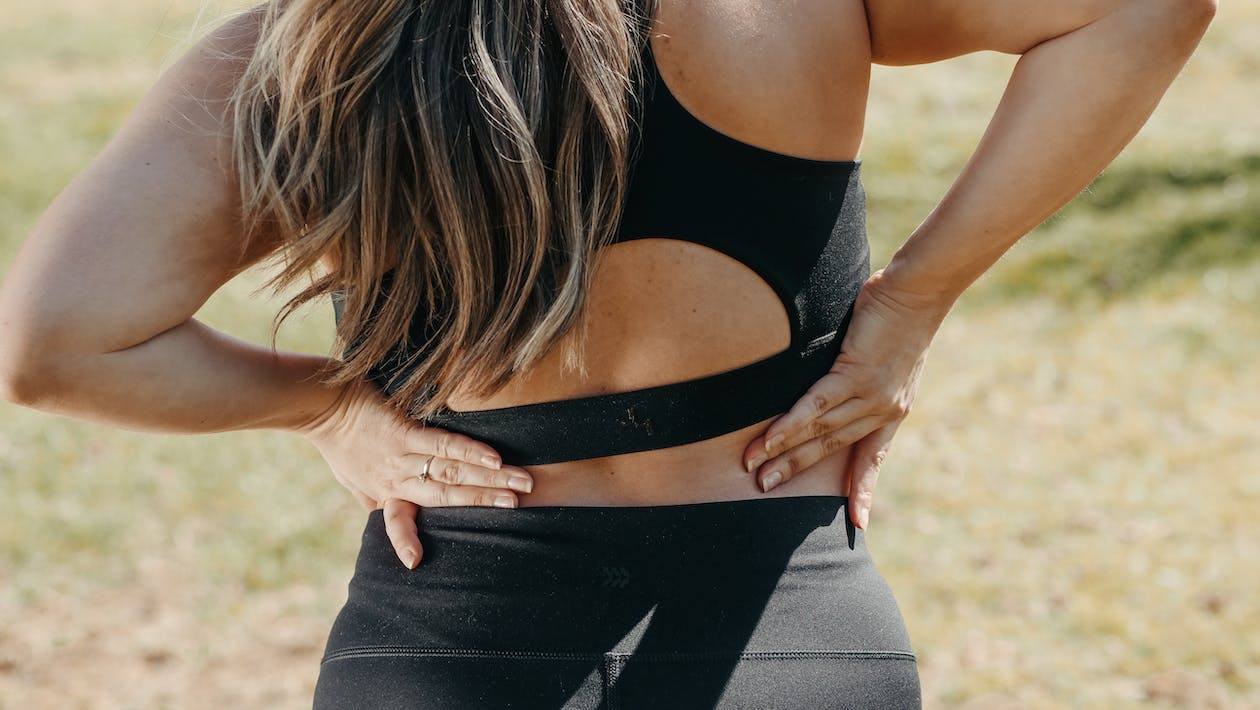
When people experience back pain, they often blame the lower back, but the hips may be the real cause. Hip tightness can limit how the pelvis moves, forcing the low back to take on extra stress. Over time, this added strain can turn occasional discomfort into ongoing low back pain, even though the problem started in the hips.
The Anatomy Link: How Tight Hips Pull on Your Spine
The hip flexors, especially the iliopsoas, attach directly to the lumbar vertebrae before crossing the front of the hip joint. Harvard Health points out that sitting for extended periods gradually shortens the hip flexor muscles, and since those muscles connect to both the pelvis and the lower back, the resulting tightness can restrict pelvic rotation and contribute to back discomfort over time. Tight hip flexors can tilt the pelvis forward, putting extra pressure on the lower back. At the same time, tight glutes and hamstrings pull from the opposite direction, adding more strain. Active adults who focus on strength but skip stretching or mobility exercises are more likely to develop this imbalance over time.
Common Culprits: Sitting, Training, and Repetitive Movement
Desk jobs can cause hip tightness, but active adults can develop it too from running, cycling, or lifting without enough stretching and mobility work. Repeating the same movements can reduce hip flexibility over time. Many chiropractors discover that tight hips are the real cause. Even hobbies like gardening or long stretches of yard work can quietly stiffen the hips in ways that eventually surface as ongoing low back discomfort. It’s a pattern we see across every age group, from weekend athletes to people who simply spend most of their week sitting, and it rarely resolves on its own without some kind of targeted mobility work.
How Chiropractic Care Restores Hip and Spinal Mobility
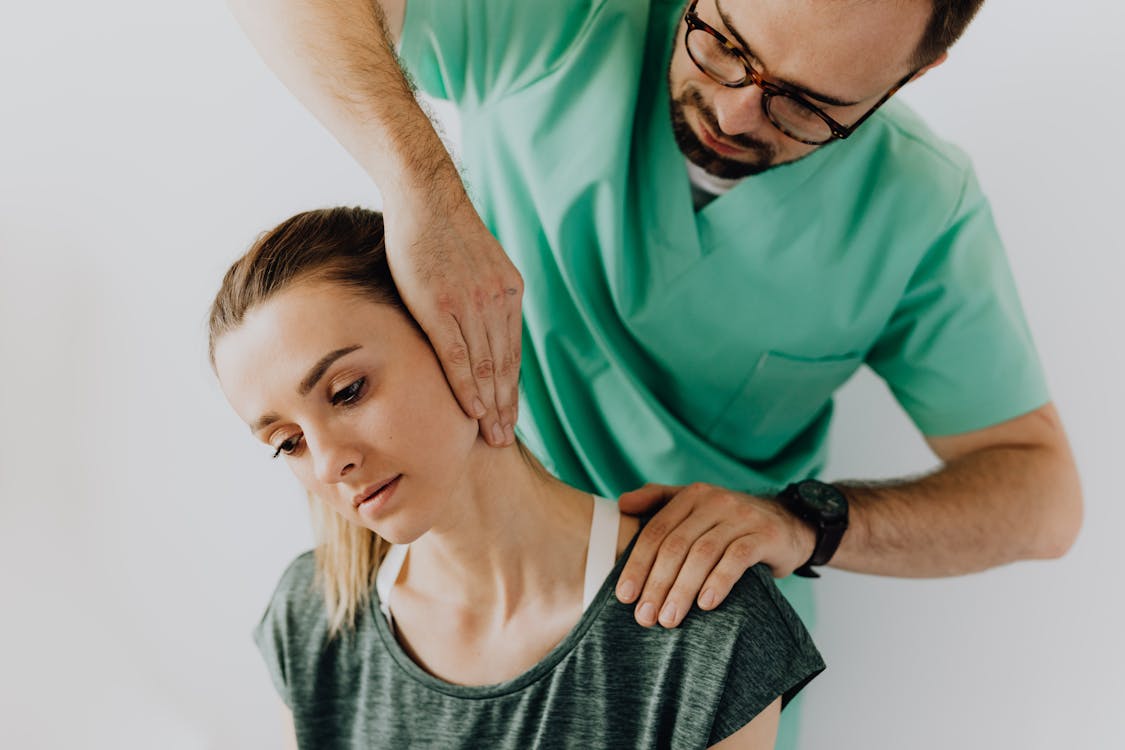
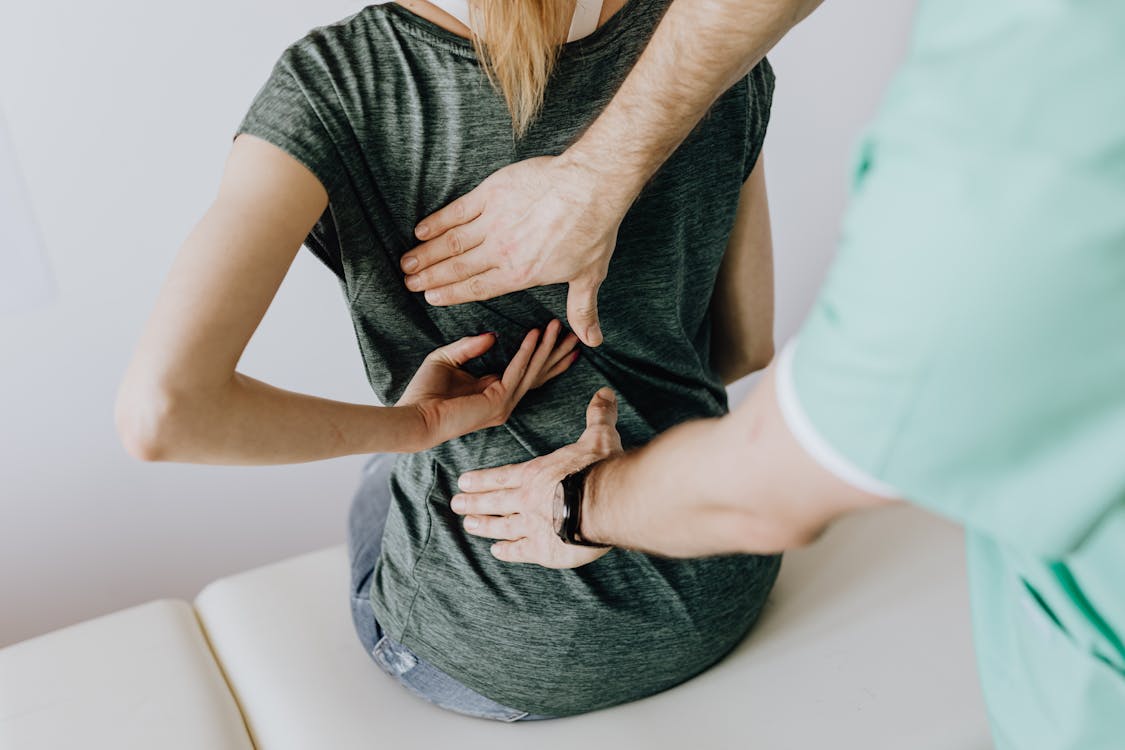
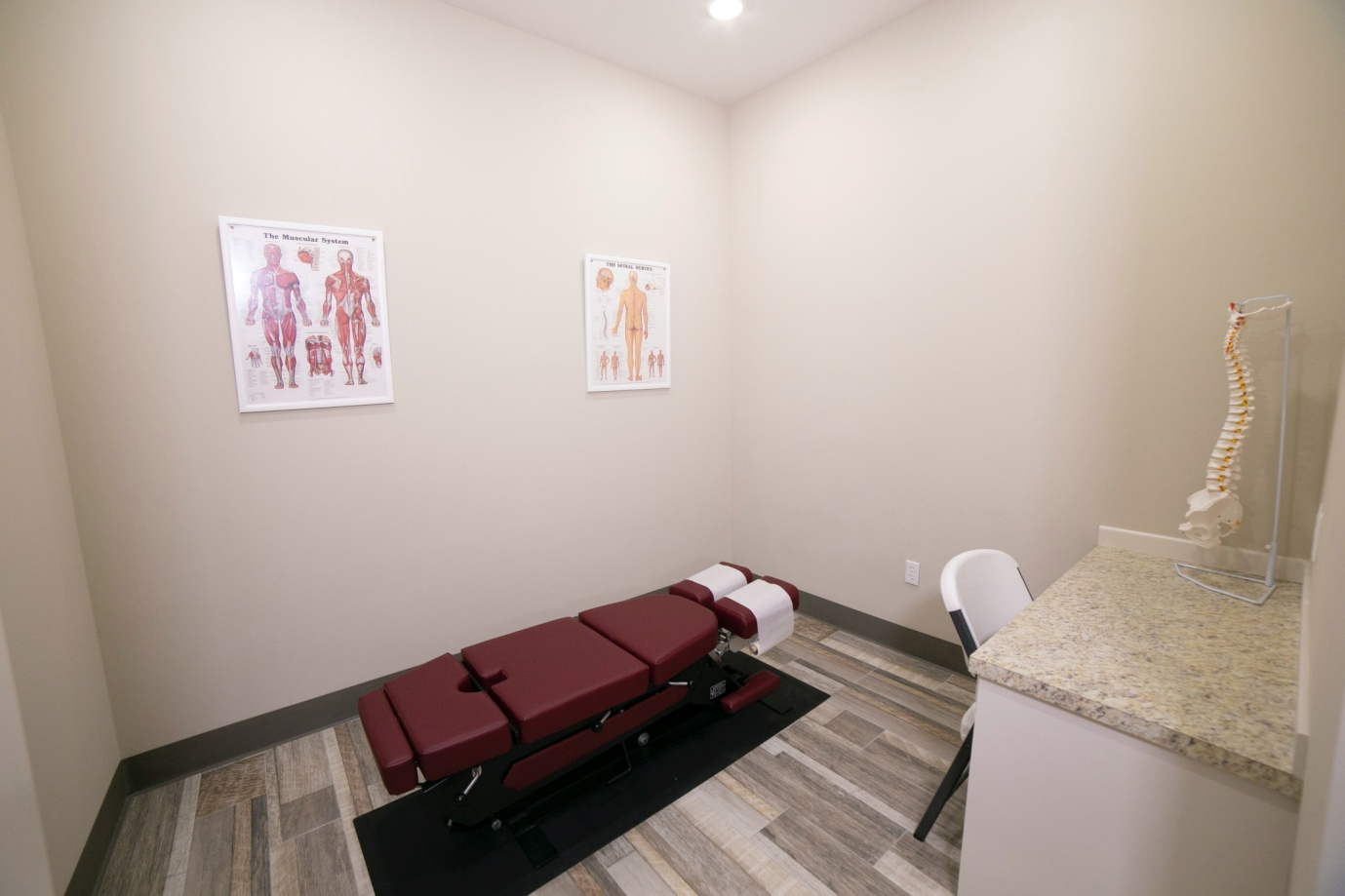
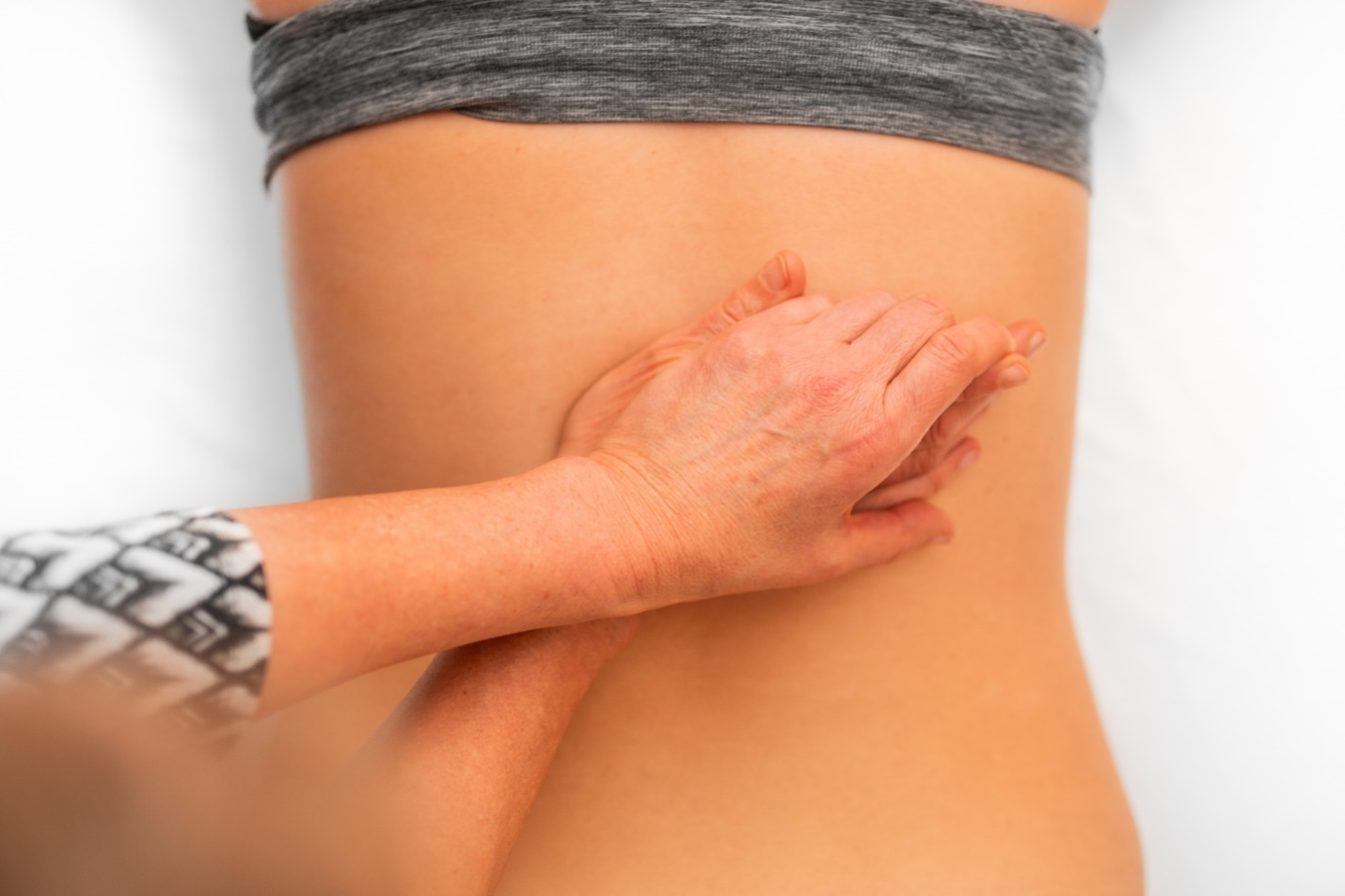
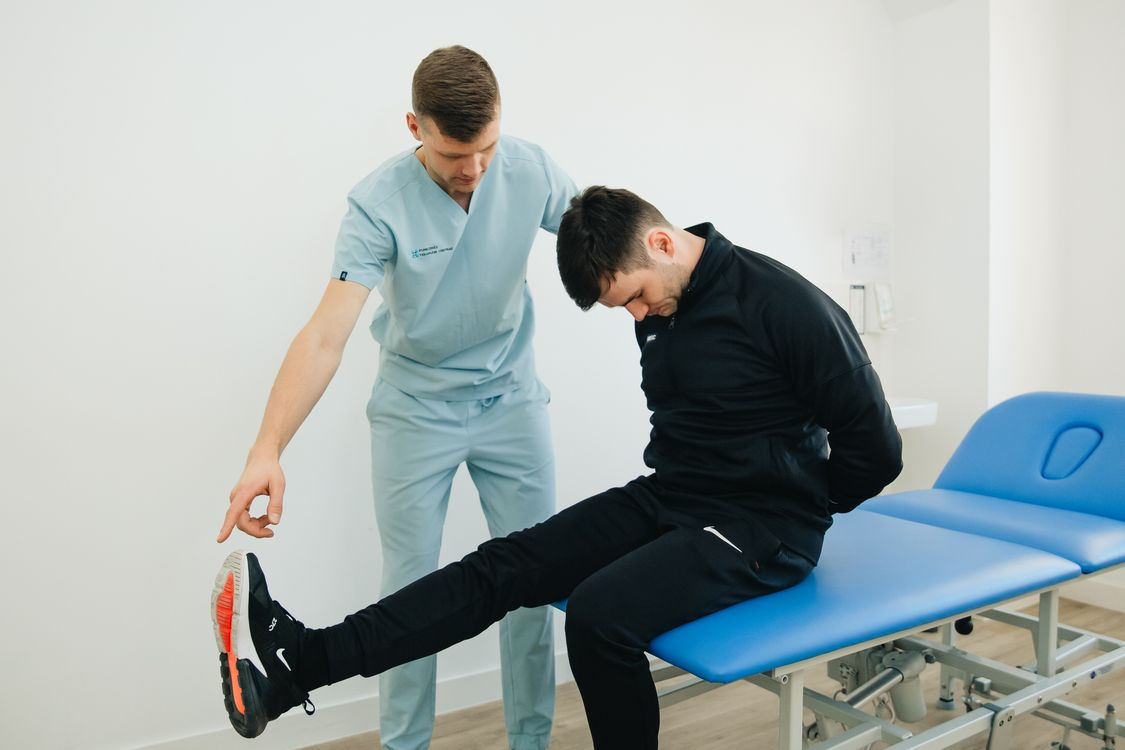
Addressing hip tightness alongside spinal alignment is central to how we approach persistent low back pain at Shelby County Chiropractic. Rather than adjusting only the lumbar spine, our doctors evaluate hip joint mobility, pelvic alignment, and the surrounding soft tissue to find where motion is actually being lost. Techniques like our decompression therapy help relieve pressure on compressed discs while hip-focused adjustments and mobility work restore the pelvis’s natural range of motion. Harvard Health notes that consistent stretching helps the muscles, bones, and joints of the spine work together more efficiently, a principle that lines up closely with how chiropractic care approaches recovery. For active adults, that combination tends to hold up better under training loads than lumbar treatment alone.
Ready to Move Without Pain?
If stretching your back hasn’t solved a low back pain problem that keeps returning, hip tightness may be the piece that’s been missed. Dr. James Stapleton and the team at Shelby County Chiropractic work with active adults across Shelby County to identify exactly where movement is restricted, whether that’s the hips, the spine, or both. Searching for a chiropractor near you who treats the whole picture instead of just the sore spot? Our Shelbyville chiropractic office has helped runners, lifters, and weekend warriors alike get back to training without babying their low back.
Contact us to schedule an evaluation, and let’s find out what’s really behind the pain.